

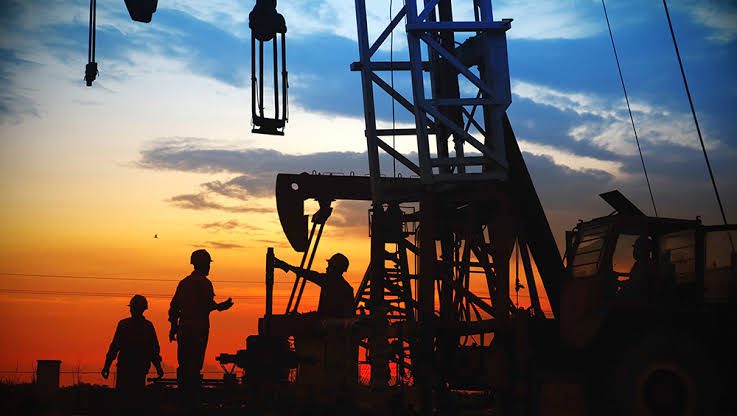
The Trump administration is putting pressure on Europe to release emergency diesel reserves as governments attempt to ease tight global fuel supplies, while the European Union has rejected the possibility of a U.S. diesel export ban.
Europe Considers Releasing 50 Million Barrels
France has proposed that European Union countries release around 50 million barrels of diesel from emergency reserves, according to sources familiar with discussions reported by Reuters.
EU countries have also discussed whether a coordinated release should be connected to a U.S. commitment not to impose restrictions on diesel exports.
The proposal comes as global diesel markets remain under pressure following disruptions affecting fuel supplies and refining capacity.
Brussels Rejects a U.S. Diesel Export Ban
The European Commission pushed back against the possibility of Washington restricting diesel exports.
The dispute adds another layer to already complicated U.S.-European economic relations.
Macron Seeks G7 Coordination
French President Emmanuel Macron is also preparing discussions with G7 leaders about the situation in global crude and refined-product markets.
France has urged other European countries to consider releasing additional diesel reserves as governments look for ways to increase supply and limit pressure on fuel markets.
The discussions could eventually lead to a coordinated international response if G7 governments agree on additional measures.
Oil Prices Fall
Markets reacted to signs that additional supplies could become available.
Brent crude fell below $100 a barrel on Friday, while West Texas Intermediate also declined. European gasoil futures, a key benchmark for diesel, fell by roughly 5% during the session.
The decline provided some relief after a period of sharply higher energy prices.
However, lower crude prices do not automatically mean consumers will immediately see cheaper diesel at the pump. Retail prices also depend on refining costs, taxes, distribution and local market conditions.
Why Diesel Matters
Diesel is critical for transportation, agriculture, construction and industry.
A prolonged shortage can therefore have effects well beyond fuel stations, potentially increasing costs for shipping, farming and other businesses.
That makes emergency reserves an important tool for governments trying to respond to sudden supply disruptions.
At the same time, releasing too much from strategic stocks could leave countries with less protection if another major supply shock occurs.
What Happens Next?
The key issue now is whether European governments will coordinate a significant release of diesel reserves and whether Washington will maintain pressure for additional action.
The EU’s rejection of a potential U.S. export ban also raises the possibility of a broader disagreement between Washington and Brussels if fuel-market tensions continue.
For consumers, the immediate focus will be whether increased supply can keep diesel prices from rising again as winter approaches.

Leave a Reply