

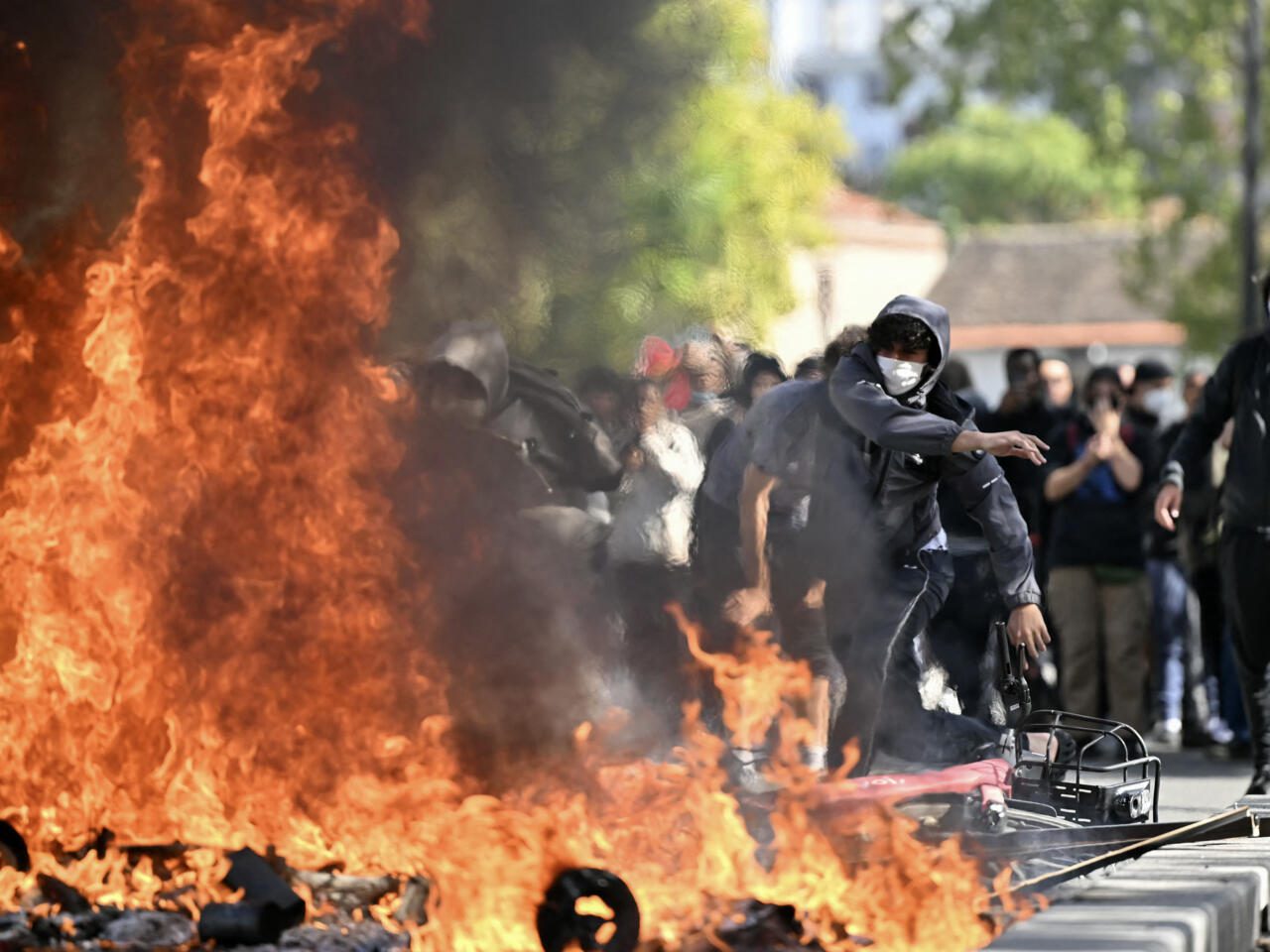
France is facing renewed political pressure after nationwide demonstrations on October 17 turned violent in several locations, leading to mass arrests, injuries among law-enforcement officers and widespread reports of property damage. The unrest has intensified debate over living costs, public services and the government’s handling of protests.
Prime Minister Sébastien Lecornu said that 1,200 people had been arrested and 150 police officers and gendarmes injured, according to reporting published on October 18. The demonstrations drew large crowds across the country, although estimates differed significantly.
France’s interior minister put attendance at approximately 550,000 people, while organizers estimated that 800,000 had taken part. The figures reflect different accounts of the scale of the mobilization.
Protests spread across France
The demonstrations were linked to frustration over the cost of living and concerns about public services, including conditions in schools. Student groups, unions, activists and other participants joined the mobilization, while the movement also attracted people associated with earlier protest campaigns.
In Paris, large gatherings were accompanied by confrontations between some protesters and police. Reports also described looting and property damage in multiple cities, including Marseille, Lyon, Bordeaux and Limoges.
The violence did not represent the conduct of every demonstrator. Reporting from the protests described a mixture of peaceful marches and separate groups involved in clashes and vandalism. That distinction matters when assessing both the scale of public opposition and the responsibility for individual incidents.
Arrests and pressure on the government
The reported arrests and injuries have placed public order at the center of the political response. Lecornu condemned the violence and signaled that the government would not be intimidated by attacks on public institutions and property.
Officials have blamed organized groups for some of the most serious incidents. Political opponents, meanwhile, have challenged the authorities’ handling of the demonstrations. The competing accounts have added to tensions over policing, political responsibility and the broader reasons people took to the streets.
The government faces two related challenges: preventing further violence and addressing the social grievances that helped drive the demonstrations. A security response may restore order in the short term, but it does not automatically resolve concerns over household expenses, education or public services.
What comes next?
The situation could shape France’s domestic political debate in the coming days. Authorities will be under pressure to investigate incidents, assess damage and explain how they intend to prevent a repeat of the unrest. Political leaders will also face questions about whether they can respond to public frustration without deepening divisions.
The turnout estimates indicate that the demonstrations were substantial, but the size of the crowds alone does not establish that all participants shared the same goals. The movement included different groups and demands, while the violent incidents involved only part of the wider mobilization.
As France assesses the aftermath, the crucial questions are whether public order can be restored, whether further demonstrations are planned and whether the government will announce measures addressing the issues raised by protesters.
The immediate figures are serious, but the longer-term significance will depend on what the government does next — and whether public anger translates into a broader political crisis.
Sources: Associated Press — Macron to address nation after riots and looting · Le Monde — Police overwhelmed by October 17 protest turnout.
Leave a Reply