

Tehran says diplomacy remains the path forward after Washington rejected its latest proposal, leaving the strategically vital waterway at the center of the crisis.
Tehran says diplomacy remains the path forward after Washington rejected its latest proposal, leaving the strategically vital waterway at the center of the crisis.
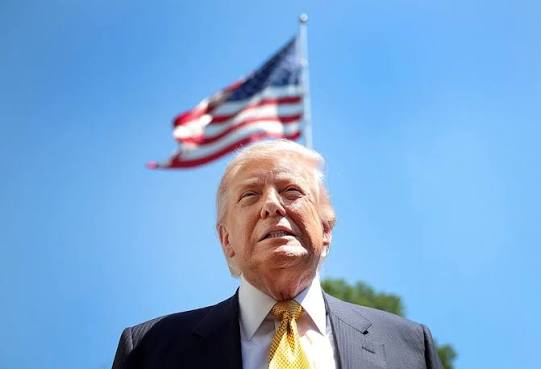
President Donald Trump has rejected an Iranian proposal that would have created a seven-day path toward reopening the Strait of Hormuz and resuming nuclear negotiations, according to Reuters.
Iran’s proposal was transmitted to the United States through mediators and linked the reopening of the strategic waterway to easing U.S. military pressure and lifting the blockade of Iranian ports.
Iran says diplomacy is still possible
On Sunday, Iranian officials continued to argue that diplomacy is the only way to resolve the conflict.
Iran has said that reopening the Strait of Hormuz could be achieved within days if conditions surrounding the U.S. military presence and blockade were changed.
The latest development comes after weeks of fighting and escalating tensions between Iran, the United States and Israel.
Why the Strait of Hormuz matters
The Strait of Hormuz is one of the world’s most strategically important shipping routes.
Large volumes of oil and gas normally pass through the waterway, meaning prolonged disruption can have consequences for energy markets well beyond the Middle East.
For consumers, the key concern is the potential effect on fuel, transportation and other energy-related costs.
Washington and Tehran remain far apart
Trump has rejected Iran’s proposal, while Iranian officials continue to publicly call for a diplomatic solution.
The disagreement leaves open questions about whether another negotiating framework can be established.
Reuters previously reported that U.S. and Iranian negotiators had been exploring a phased path that could involve reopening Hormuz and easing the U.S. blockade.
What happens next?
The immediate focus will be on whether mediators can create another opening for negotiations.
For global markets, the Strait of Hormuz remains a critical point to watch.
Any development that improves shipping access could ease pressure on energy markets, while a prolonged disruption could keep uncertainty elevated.
The next diplomatic move from Washington or Tehran could therefore have consequences far beyond the region.


Leave a Reply