

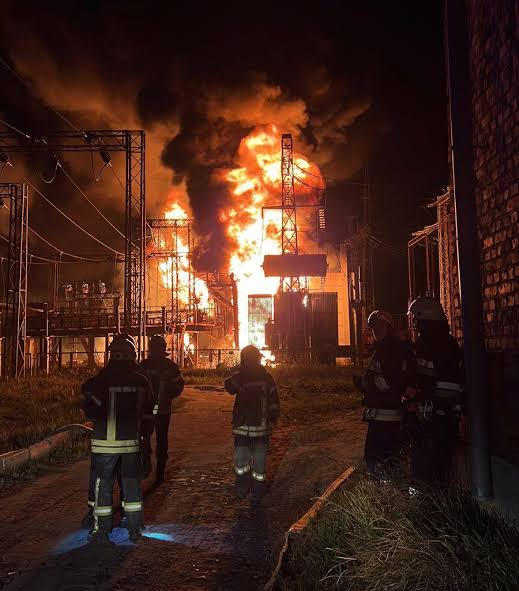
Russia launched a large overnight wave of drones and missiles against Ukraine, targeting energy infrastructure and communities across multiple regions, Ukrainian officials said on October 17. The assault caused civilian casualties and widespread power disruptions, intensifying concerns over the country’s ability to maintain essential services as winter approaches.
Ukrainian officials reported that more than 320 drones and missiles were used during the attack and that more than 15 critical energy generation and transmission facilities were targeted. At least eight people were reported killed and around 60 injured in attacks across the country. More than one million people experienced electricity outages, according to reports published following the strikes.
The scale of the reported assault highlights the continuing vulnerability of Ukraine’s power network, which has faced repeated attacks during the war. Electricity is essential not only for households but also for hospitals, water systems, communications and other critical services.
Energy infrastructure under pressure
President Volodymyr Zelenskyy said the latest barrage targeted energy facilities in several regions, including western and central parts of the country, as well as infrastructure in the Kyiv, Kharkiv and Dnipropetrovsk regions.
The Ukrainian government described the assault as one of the largest recent attacks on its energy sector. Emergency crews and energy workers were engaged in restoration efforts after facilities were damaged.
Power outages can affect millions of people indirectly, even when electricity is restored in some areas within hours. Damage to transmission lines and generation facilities can force emergency shutdowns, require repairs and leave communities vulnerable to further interruptions.
The full impact depends on the extent of the damage and the speed at which repair teams can safely reach affected sites. Ukrainian officials have warned that repeated attacks place additional strain on the country’s reserves and repair capacity.
Civilian casualties and damage
The overnight attacks also affected civilian areas. Ukrainian officials reported deaths and injuries in several regions, while reports described damage to residential and commercial locations.
The reported toll may change as emergency services complete assessments and authorities receive further information from affected communities. Figures published shortly after large-scale attacks are often updated as additional casualties and damage are confirmed.
Attacks affecting civilian areas and essential infrastructure raise serious humanitarian concerns, particularly when they disrupt services needed by people who are not directly involved in the fighting.
Why winter raises the stakes
The timing of the attacks is particularly significant as Ukraine prepares for colder weather. Reliable electricity and heating become increasingly important during winter, when prolonged outages can affect homes, schools, hospitals and businesses.
Ukraine has spent years repairing damaged infrastructure and strengthening emergency power arrangements. However, repeated strikes can make preparation more difficult by forcing energy companies to divert workers and equipment from planned maintenance to urgent repairs.
The government’s challenge is not only to restore power after individual attacks but also to keep the wider system functioning if further strikes occur. That requires spare equipment, repair crews, protective measures and continued coordination with international partners.
Pressure on Ukraine’s allies
The latest assault comes amid renewed tension between Kyiv and Washington over US policy toward Russia and the future of American support for Ukraine.
President Donald Trump’s recent decision to waive key new Russia-related sanctions and tariffs has drawn criticism from Zelenskyy and lawmakers in Washington. Ukraine has argued that easing economic pressure on Moscow risks encouraging further aggression, while the US administration has said the waiver serves American national interests.
These political disagreements are unfolding as Ukraine continues to seek assistance for its defense and energy security. European governments also face questions about how to sustain support while managing their own security priorities and economic pressures.
The latest attacks do not by themselves establish what further decisions Ukraine’s allies will make. However, they underline the importance of air defense, energy resilience and the ability to repair critical infrastructure quickly.
What happens next?
The immediate priority is restoring electricity, supporting affected communities and assessing damage to critical facilities. The extent and duration of the outages will depend on the damage sustained and whether repair crews can continue working safely.
Ukraine also faces the possibility of further attacks as winter approaches. Protecting the energy network while maintaining essential services will remain a major challenge for the government and energy companies.
For civilians, the consequences are immediate: uncertainty over electricity, heating and essential services at a time when temperatures are expected to fall.
The central question is whether Ukraine can restore and protect enough of its energy infrastructure to withstand further attacks through the winter — while continuing to defend its cities and communities.
This report is based on statements from Ukrainian officials and published reporting on the October 17 attacks. Casualty and outage figures may be revised as more information becomes available.
Sources for the article:
- Reuters — Russian attacks and power disruptions in Ukraine
- Ukrinform — Reported attacks on energy facilities
Read more: Trump Puts Russia Sanctions on Hold, Drawing Sharp Criticism From Ukraine



Leave a Reply