

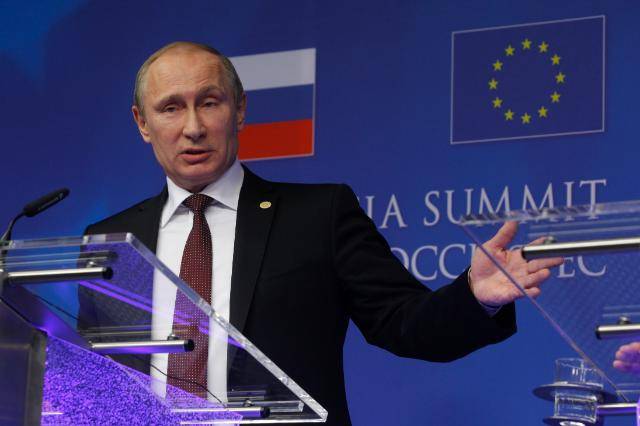
Moscow says European governments are undermining negotiations, while European officials continue to call for an end to the war and stronger pressure on Russia.
Russian Foreign Minister Sergey Lavrov has accused European countries of obstructing efforts to reach a negotiated settlement to the war in Ukraine, creating a fresh diplomatic confrontation at the United Nations.
Speaking at the UN General Assembly in New York on September 26, Lavrov claimed that Europe was doing everything it could to prevent peace talks that the Trump administration has supported. He also accused Western countries of continuing to supply Ukraine with weapons.
The accusation comes as diplomatic efforts to end the war remain without a breakthrough.
Moscow’s accusation
Lavrov argued that European governments are undermining negotiations by continuing military and political support for Ukraine.
Russia’s position is that Western military assistance has contributed to prolonging the war. European governments and Ukraine, however, reject Moscow’s characterization of the conflict and continue to hold Russia responsible for the invasion and ongoing fighting.
The competing positions highlight how far apart the sides remain on the conditions for ending the war.
Europe rejects Russia’s approach
European governments have continued to support Ukraine while calling on Moscow to stop its military campaign.
German Foreign Minister Johann Wadephul met Lavrov in New York on the sidelines of the UN General Assembly in the first meeting between the two countries’ foreign ministers since before Russia’s 2022 invasion.
Wadephul called on Russia to abandon what Germany described as a dangerous path of escalation toward Germany, Europe and NATO. He also reiterated Berlin’s support for Ukraine and called for an immediate and complete ceasefire.
The meeting illustrates the difficult diplomatic environment surrounding the war: even as European governments remain strongly critical of Moscow, channels for direct diplomatic contact have not completely disappeared.
The U.S. role
Washington remains an important part of the diplomatic picture.
President Donald Trump has repeatedly expressed interest in reaching an agreement between Russia and Ukraine. However, U.S.-led efforts so far have not produced a permanent ceasefire or final peace agreement.
That leaves Europe, Ukraine, Russia and the United States with different priorities over how negotiations should proceed and what a potential settlement would require.
Fighting continues
The diplomatic confrontation is taking place while attacks continue on both sides.
According to reports from Saturday, Russian and Ukrainian strikes killed people in Ukraine and Russia over a 24-hour period. Ukrainian officials reported deaths from Russian attacks in several regions, while Russian authorities also reported fatalities from Ukrainian strikes.
The continuing attacks add urgency to diplomatic efforts but also make negotiations more difficult.
Ukraine has continued to call for stronger international pressure on Russia, while Moscow says it remains prepared for dialogue but insists that any settlement must address Russia’s stated security concerns.
A wider European security issue
The dispute is no longer limited to the battlefield.
European governments are increasingly discussing long-term defense, NATO security and the possibility that the war could continue for an extended period.
Germany has also accused Russia of involvement in hostile or disruptive activities on European soil, allegations Moscow has rejected. The tensions between Berlin and Moscow have intensified as both countries reassess their security and diplomatic relationships.
For Europe, the war has therefore become a broader security issue involving military spending, energy infrastructure, NATO and relations with Russia.
What happens next?
The immediate question is whether Washington can bring Moscow and Kyiv closer to a negotiated settlement.
For now, there is no final peace agreement.
Russia says European governments are obstructing negotiations. European governments maintain that Russia must stop its aggression and accept a credible path toward peace, while Ukraine continues to seek security guarantees and international support.
The disagreement over who is preventing negotiations is itself becoming part of the wider diplomatic battle.
What remains clear is that the war continues while the United States, Europe, Russia and Ukraine remain divided over the conditions required to end it.
Leave a Reply