

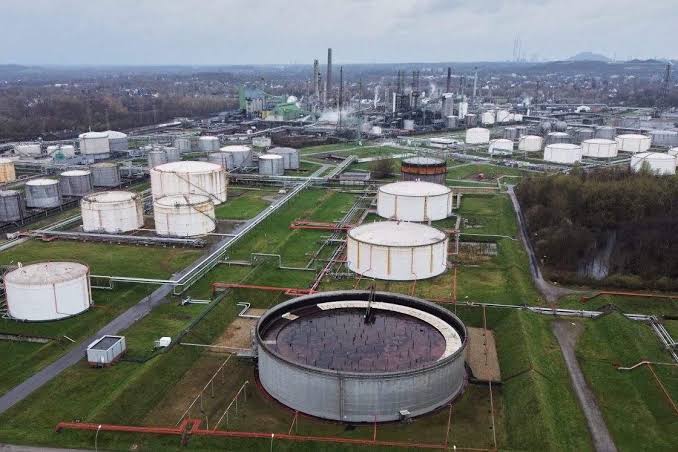
The White House is urging European countries to release more emergency diesel reserves as governments seek ways to ease fuel prices amid continuing energy-market disruptions.
The United States is pressing the European Union to draw down emergency diesel inventories in an effort to increase available fuel supplies and reduce pressure on global prices, according to people familiar with the discussions cited by Reuters.
The request comes as energy markets continue to deal with disruptions connected to the Iran conflict and difficulties affecting shipping through the Strait of Hormuz, one of the world’s most important energy corridors.
Washington wants Europe to use emergency stocks
The Trump administration has been urging European governments to contribute more to an international effort to release emergency petroleum supplies.
The United States has pledged 172 million barrels from its Strategic Petroleum Reserve as part of the wider International Energy Agency-coordinated effort.
EU countries were expected to contribute around 20% of the planned 400-million-barrel global release, primarily through refined petroleum products rather than crude oil.
U.S. officials have expressed particular frustration with France and Germany, saying they have not fulfilled earlier commitments to the same extent as some other countries.
The White House has raised the issue with the International Energy Agency, according to Reuters.
Europe has not made a final decision
The European Union has not yet decided whether to release additional emergency reserves.
EU Energy Commissioner Dan Jorgensen said Tuesday that discussions had taken place with IEA Executive Director Fatih Birol about the possibility of further releases.
However, European governments must balance the goal of reducing current price pressure against the need to maintain emergency supplies in case the energy situation deteriorates further.
That leaves the EU facing a difficult question: how much of its emergency fuel should be used now, and how much should remain available for a potentially larger disruption?
Why diesel matters to ordinary people
Diesel prices have consequences well beyond the energy sector.
Diesel is heavily used by trucks, agricultural machinery, construction equipment and commercial transportation.
Higher diesel costs can increase operating expenses for businesses and farmers. Those costs can eventually feed into transportation and the prices of goods moving through supply chains.
The issue is therefore closely connected to the wider cost-of-living situation in the United States and Europe.
Washington is also considering domestic measures
The Trump administration is examining additional options to increase diesel supplies inside the United States.
Trump has publicly supported a possible ban on U.S. diesel exports, while administration officials have also considered alternatives, including voluntary limits on exports by refiners and wider sales of tax-exempt red-dyed diesel.
According to Reuters, no final decision has been made on those measures.
The debate comes as the administration faces continued pressure over fuel costs.
At the same time, the White House is asking European governments to take additional action on their own emergency stocks.
The wider energy picture
The developments show how disruptions in the Middle East can affect energy markets far beyond the region.
The Strait of Hormuz is a major route for global energy shipments, meaning disruptions there can influence fuel availability and prices in countries thousands of miles away.
Europe is particularly exposed because many of its economies depend heavily on imported energy.
European financial markets have already been affected by concerns over elevated energy prices and inflation. Reuters reported Tuesday that European shares ended slightly lower, while higher energy costs continued to weigh on the economic outlook.
For consumers, the key question is whether governments can increase available fuel supplies enough to ease prices without exhausting reserves needed for a future emergency.
For now, the EU is still discussing its options, while Washington continues to push for additional action.
The next decisions by the United States, European governments and the IEA could therefore have consequences for fuel markets, transportation costs and businesses on both sides of the Atlantic.

Leave a Reply