

Diplomatic efforts between the United States and Iran are facing renewed uncertainty as Washington and Tehran continue discussions over a possible path toward reducing tensions.
Iranian Foreign Minister Abbas Araqchi received U.S. feedback through Qatari mediators on Tuesday regarding a seven-day trust-building proposal, according to Reuters.
The discussions come as oil markets remain highly sensitive to developments involving Iran and regional energy supplies.
Trump rejects reported sanctions-relief proposal
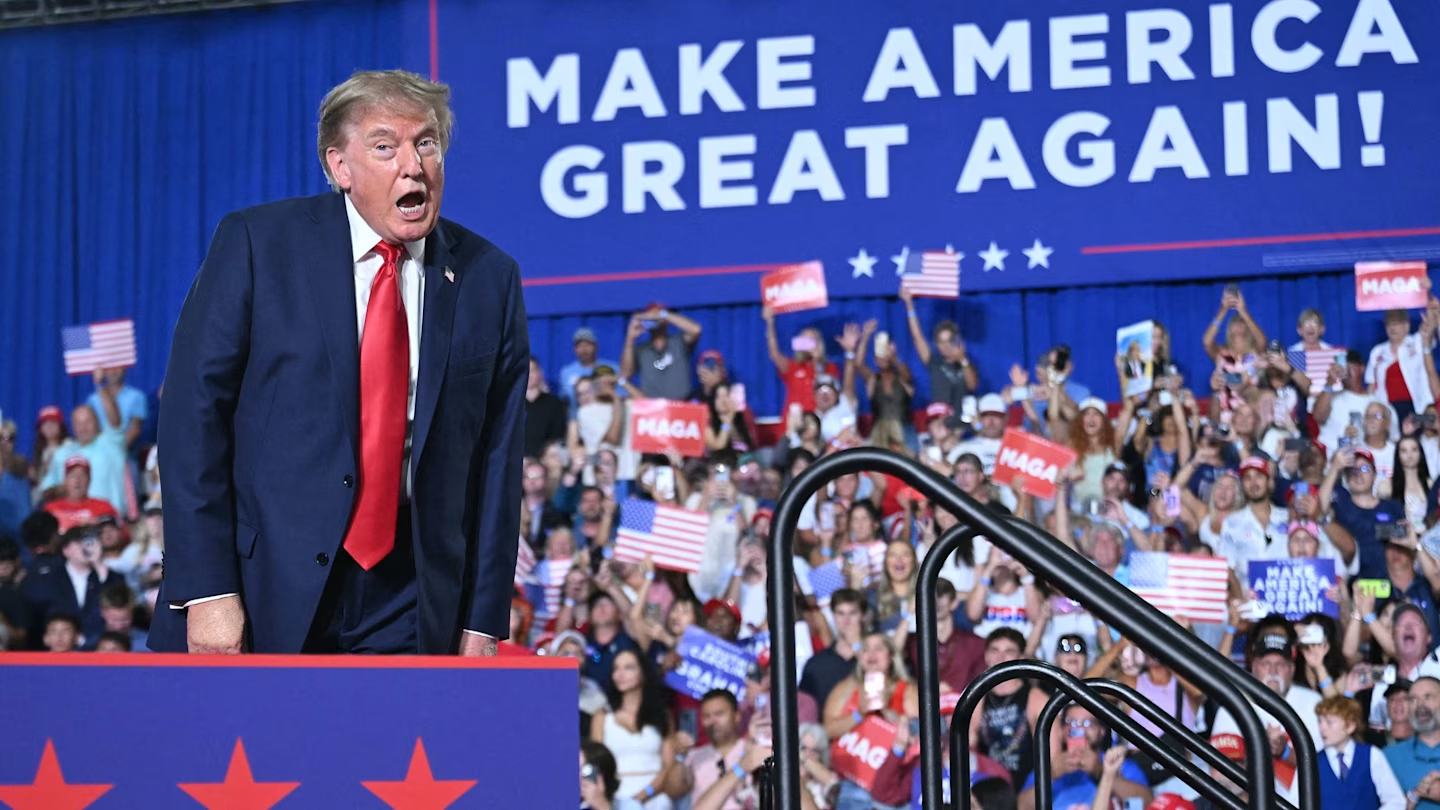
President Donald Trump denied reports that he was prepared to ease sanctions on Iran in exchange for nuclear concessions.
The statement added uncertainty to diplomatic efforts that had raised hopes of progress.
Qatar has been involved in shuttle diplomacy between Washington and Tehran as officials search for a possible route toward negotiations.
Oil prices react to uncertainty
Oil prices rose on Wednesday despite signs that Middle Eastern crude supply was recovering.
Brent crude for November delivery rose to around $103.19 per barrel, while the more active December contract gained 1.7% to around $97.78.
Brent is on track for a monthly increase of approximately 14%, according to Reuters.
Why this matters to consumers
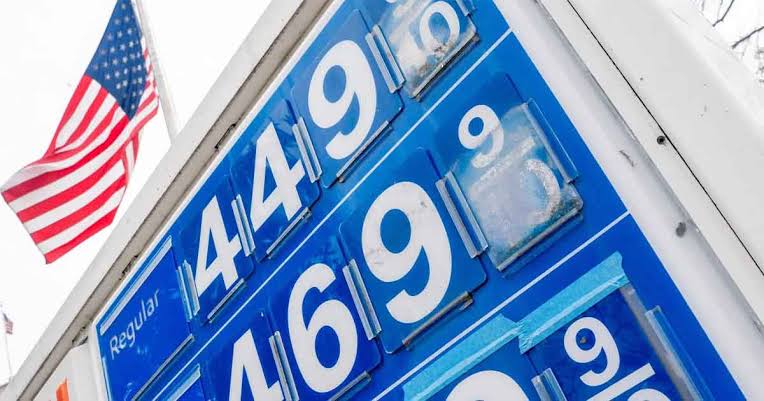
Oil prices can affect the cost of gasoline, diesel, transportation and manufactured goods.
Europe is particularly exposed to imported energy costs, while higher fuel prices can also influence inflation expectations in the United States and Canada.
The White House has also been examining measures involving U.S. diesel exports as policymakers attempt to manage fuel prices.
What happens next?
The next major signal could come from the diplomatic channel involving Washington, Tehran and Qatari mediators.
If talks progress, markets could interpret that as a potential reduction in supply risk.
If negotiations deteriorate further, energy markets could remain under pressure.
For now, the diplomatic situation remains unresolved.
Read more US&Global Report.


Leave a Reply