

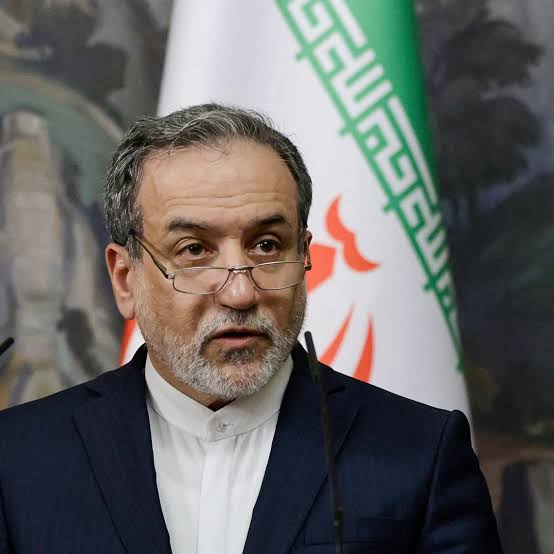
Tehran says its proposal could reopen the strategic waterway and end regional hostilities, while Washington’s response remains uncertain.
Iran has proposed a seven-day plan aimed at reopening the Strait of Hormuz and halting fighting across the Middle East, according to Iranian officials and Reuters reporting.
The proposal was reportedly transmitted to Washington through Qatari mediators.
Iran said the plan could allow the strategic waterway to reopen while creating a pathway toward ending the wider conflict.
Why Hormuz matters
The Strait of Hormuz is a critical global energy route.
Any prolonged disruption can affect oil transportation, shipping costs and energy prices around the world.
That makes diplomatic developments surrounding the waterway important not only for the Middle East but also for the global economy.
Washington’s position
The diplomatic effort faces significant obstacles.
Reuters reported that the Wall Street Journal said Trump had rejected the proposal and expected military operations to resume.
However, Reuters also reported that Iran was still awaiting an official U.S. response.
That distinction is important because the diplomatic channel has not necessarily been formally closed.
Iran’s position
Iran has indicated that reopening the waterway would be connected to broader demands involving the conflict and U.S. pressure.
The nuclear issue remains another major disagreement.
Iranian officials have also said Tehran will not simply surrender its nuclear position.
What happens next?
The immediate question is whether Washington will respond formally to Tehran’s proposal and whether mediators can bridge the differences.
Any credible movement toward reopening Hormuz could have major implications for energy markets.
For now, the proposal remains a diplomatic initiative rather than a confirmed agreement.



Leave a Reply