

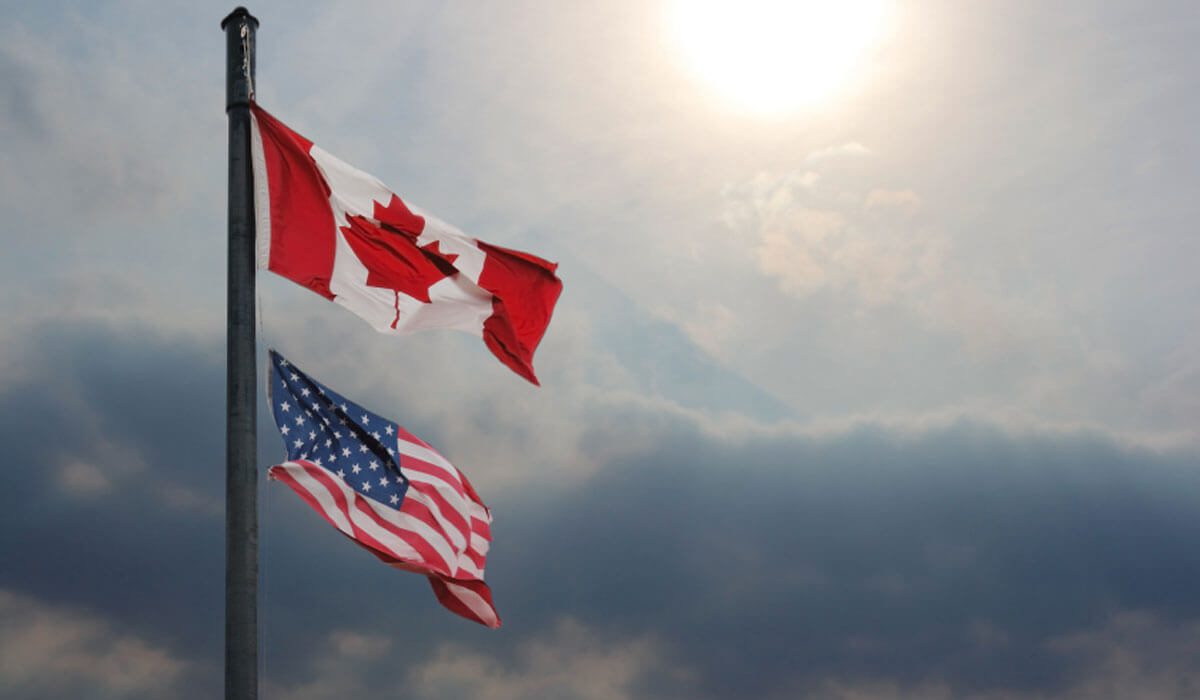
OTTAWA / ISTANBUL, October 23, 2026 — Canadian Prime Minister Mark Carney has rejected U.S. allegations that Canadian politicians are attempting to interfere in America’s upcoming midterm elections, escalating a diplomatic dispute that is unfolding alongside a damaging trade conflict between the two neighboring countries.
Carney described the allegations as having “no merit” and expressed disappointment with U.S. Ambassador to Canada Pete Hoekstra over his public comments. The dispute comes less than two weeks before Americans vote in the November 3 midterm elections, which will determine control of Congress.
The U.S. Embassy in Canada published a fact sheet on Wednesday accusing Canadian officials of seeking to influence American political affairs. It cited statements by Canadian politicians about retaliatory tariffs, pressure on American businesses and efforts to respond to trade measures imposed by President Donald Trump’s administration.
Ottawa rejects the characterization, arguing that its actions are intended to defend Canadian economic interests rather than interfere in the American electoral process.
The disagreement has added another source of tension to a relationship already strained by tariffs, failed negotiations and Trump’s repeated statements suggesting that Canada could become the United States’ 51st state.
What Washington is alleging
The U.S. Embassy’s statement focused on comments made by Canadian politicians regarding responses to American tariffs and efforts to put economic pressure on U.S. businesses and states.
Among the examples cited was Canadian Industry Minister Mélanie Joly’s discussion of targeting products and U.S. states as part of Canada’s response to American trade measures. The embassy also pointed to Ontario Premier Doug Ford’s support for an anti-tariff advertising campaign that used remarks by former U.S. President Ronald Reagan criticizing tariffs.
The advertising dispute previously contributed to tensions between the governments. Trump canceled trade talks with Canada after the advertisement aired during the World Series in October 2025.
Washington has argued that such actions raise concerns about Canadian attempts to influence American politics.
However, the allegations are disputed. The examples cited by the embassy relate largely to public political statements and responses to trade policy; the available reporting does not establish that Canada’s federal government has undertaken an illegal operation to influence the election.
Carney rejects the accusations
Carney pushed back against the allegations while speaking to reporters during his visit to Türkiye.
He said Canada had no intention of interfering in the November 3 elections and criticized the American ambassador for making the suggestions.
The Canadian government has argued that its engagement with American officials, businesses and political representatives is part of normal diplomacy and economic advocacy.
Canadian officials have also emphasized that the country must respond when U.S. tariffs threaten domestic industries and jobs.
Carney’s position is that Canada is entitled to defend its economic interests without being accused of trying to manipulate the American electoral process.
The dispute also reflects a broader disagreement over the distinction between economic pressure and political interference. Washington views some Canadian actions as attempts to influence American politics, while Ottawa says those measures are responses to U.S. trade policy.
Trade negotiations remain unresolved
The diplomatic confrontation is unfolding against the backdrop of a major trade dispute.
Negotiations between Washington and Ottawa collapsed in August after Canada withdrew from discussions, citing demands it considered unreasonable. The breakdown was followed by additional trade measures, including U.S. tariffs of 50% on approximately $20 billion in Canadian imports, according to reporting by the Associated Press.
The economic relationship is deeply integrated, particularly in manufacturing, agriculture, energy and the automotive industry. Tariffs can increase costs for businesses that rely on cross-border supply chains, with some of those costs potentially passed on to consumers.
Carney has said Canada remains willing to return to negotiations if the United States is prepared to negotiate in good faith. However, he has made clear that Ottawa will not rush into a deal simply to meet a political deadline.
He has also suggested that an acceptable agreement could take months or potentially await a future U.S. administration.
That position signals that Canada is prepared to tolerate continued uncertainty rather than accept terms it considers unfavorable.
Why the U.S. midterms matter
The November 3 elections will determine which party controls the U.S. House of Representatives and Senate. That outcome will shape the political environment in which Trump’s administration pursues its domestic and international agenda.
The dispute with Canada is therefore occurring at a politically sensitive moment. The allegations have become part of a wider argument about tariffs, economic policy and the relationship between the two countries.
Carney has rejected the idea that Canada is attempting to influence the vote. He has also said he does not expect poor Republican results to automatically trigger additional tariffs against Canada.
The available reporting does not establish that the allegations will affect the election outcome or that the Canadian government has taken actions intended to determine which party wins.
The political significance of the dispute lies instead in how it illustrates the increasingly contentious relationship between two long-standing allies.
A relationship under pressure
Canada and the United States remain major economic partners, but their relationship has changed significantly under Trump’s renewed tariff campaign.
Carney has made reducing Canada’s dependence on the U.S. economy a priority, seeking to expand trade with other countries and strengthen Canada’s position in international markets. His visit to Türkiye forms part of those broader efforts to diversify economic relationships.
For businesses on both sides of the border, prolonged uncertainty creates practical challenges. Companies must navigate tariffs, changing trade rules and the possibility that negotiations could remain stalled for an extended period.
The political dispute also raises questions about how the two governments will manage disagreements in the future, particularly as economic policy becomes increasingly connected to domestic political debates.
For now, the immediate facts are clear: Washington has made allegations of election interference, Carney has rejected them, and a broader trade agreement remains unresolved.
Whether the two governments can separate their diplomatic dispute from negotiations over tariffs will be an important test for the relationship in the weeks ahead.
Sources: Reuters, October 23, 2026; Associated Press, October 23, 2026; Al Jazeera, October 21, 2026.


Leave a Reply