

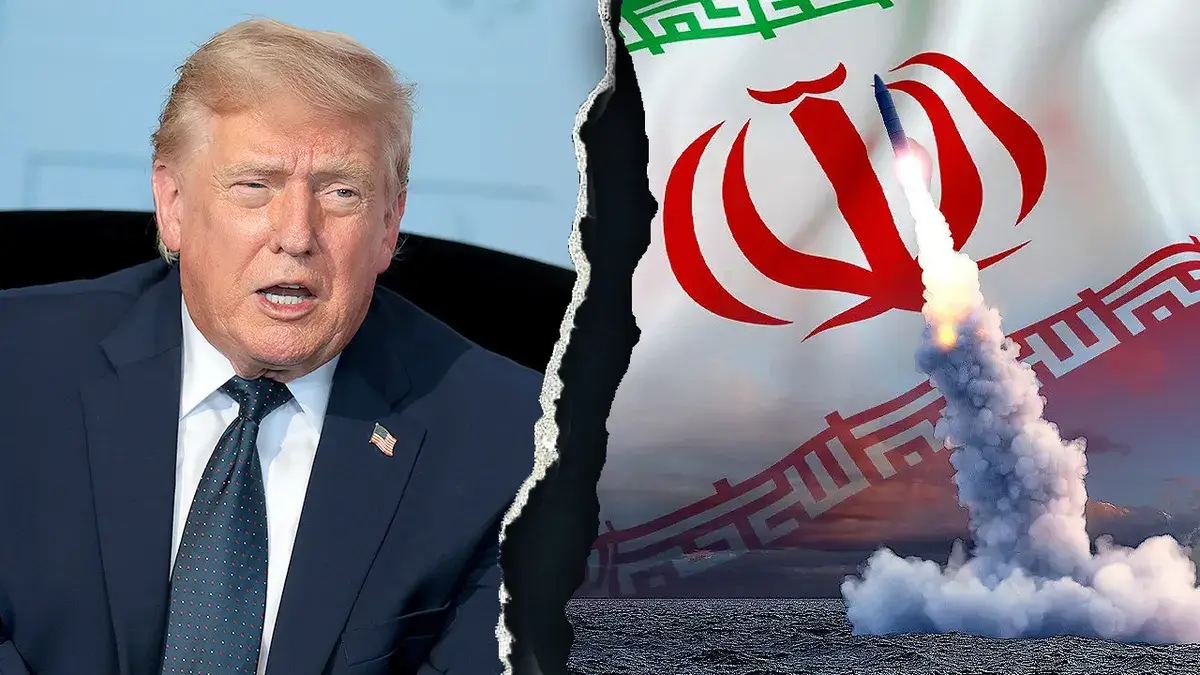
A proposed seven-day confidence-building process could offer a route back to negotiations, but Tehran and Washington remain divided over Iran’s nuclear programme, sanctions and the US blockade.
October 28, 2026 — Efforts to end the war involving the United States, Israel and Iran face renewed uncertainty after a senior Iranian official described ideas presented by Qatari mediators as unacceptable, while US President Donald Trump left open the possibility of further military strikes.
The competing accounts highlight how far apart the sides remain, even as regional intermediaries continue trying to prevent another escalation.
According to an official briefed on the negotiations, Qatar presented a new draft proposal on Sunday intended to address concerns on both sides. The plan reportedly sets out seven days of confidence-building steps, with each side expected to take measures on a daily basis. Several countries could act as guarantors if an agreement were reached.
However, a senior Iranian official involved in the discussions gave a different characterization of the initiative, telling Reuters that Qatar had presented “unacceptable ideas and not an offer.” The official said Iran would not change its position on the nuclear issue.
As of October 28, no new comprehensive peace agreement has been announced.
What is the proposed seven-day plan?
The draft described by the official briefed on the talks would establish a short sequence of steps intended to build confidence between Washington and Tehran. Implementation could begin early next week, the official said, although the details and final status of the proposal remain uncertain.
The distinction between the two accounts matters. One source described a draft deal being considered by Tehran; the Iranian official disputed that description, saying the ideas did not amount to a formal offer.
The full text of the plan has not been publicly detailed in the reporting, and the identities of the potential guarantor countries have not been disclosed.
Qatar and Pakistan have been central to diplomatic efforts aimed at ending the conflict and restoring stability to regional shipping and energy markets. Their mediation now faces the challenge of finding a sequence of steps that both governments would accept.
The nuclear dispute remains the central obstacle
Washington wants Iran’s nuclear programme included in negotiations from the beginning. The United States has long raised concerns about the programme, while Tehran rejects Western claims that it is intended for military purposes.
Iran is also demanding an end to the US blockade of Iranian ports and the lifting of sanctions on its oil exports. The two sides therefore disagree not only on the substance of a potential settlement but also on the order in which concessions should be made.
Washington wants nuclear issues addressed from the outset. Tehran says its own conditions must be met first.
Without agreement on that sequence, even a short confidence-building plan could struggle to gain traction. The current reporting does not establish that either side has accepted the other’s conditions.
Trump keeps the possibility of further strikes open
The diplomatic uncertainty comes as Trump continues to signal that military action remains an option.
In remarks reported by Reuters on October 28, Trump said further strikes against Iran after the November 3 US midterm elections were possible. He also argued that Washington was in a strong position and said the timing of any decision was up to him.
His comments are not an announcement that an attack has been ordered. No new operation was publicly confirmed in the reporting reviewed for this article.
Nevertheless, the possibility of renewed strikes adds pressure to the mediation effort. A breakdown in diplomacy could make an already volatile regional situation more difficult to contain.
Why the conflict matters beyond Iran
The consequences extend well beyond the immediate confrontation. The war has disrupted shipping and energy supplies, while the security situation has increasingly affected other parts of the region.
On October 28, oil prices rose above $115 per barrel after Yemen’s Iran-aligned Houthi group claimed a missile attack on Saudi Arabia’s Ras Tanura refinery. Saudi authorities had not immediately confirmed the reported strike, according to Reuters.
The reported attack and the increase in oil prices underline the risks facing energy markets when key infrastructure and shipping routes come under threat. A sustained disruption could affect transport costs, businesses and consumers far beyond the Middle East.
However, the refinery claim should remain attributed to the Houthis until independently confirmed, and the movement in oil prices should not be interpreted as proof that a wider escalation is inevitable.
What happens next?
The next key test is whether Tehran provides a substantive response to the ideas discussed by Qatari mediators and whether Washington is prepared to address the conditions Iran has set out.
The official briefed on the negotiations expected a response from Tehran by the end of the week. That timeline does not guarantee that a deal will follow, and the Iranian official’s rejection of the ideas suggests that significant differences remain.
For now, diplomacy has not produced a confirmed breakthrough. The seven-day framework is a proposal described by a source briefed on the talks, not an agreed ceasefire or a signed peace deal.
The bottom line: Qatar’s mediation may offer a route back to negotiations, but Iran’s rejection of the ideas, the unresolved nuclear dispute and Trump’s warning that further strikes remain possible leave the situation uncertain. The coming days will show whether the parties can move from competing demands toward concrete steps to stop the war.
Sources


Leave a Reply