

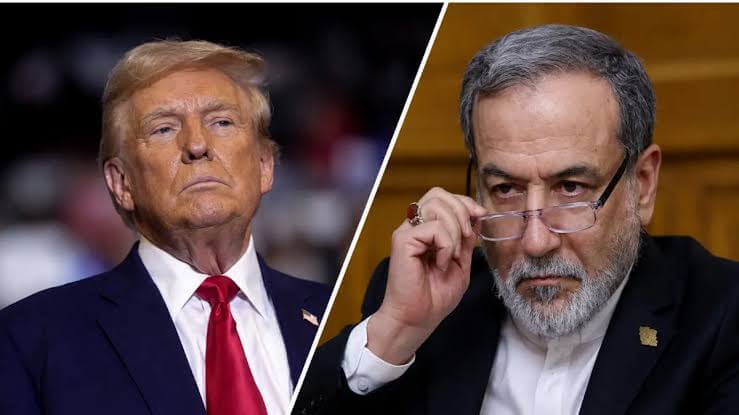
Iran has renewed an offer to reopen the Strait of Hormuz within days, but the proposal depends on Washington accepting a series of conditions that remain at the center of the dispute between the two countries. The announcement could create an opening for diplomacy, although major disagreements over sanctions, maritime access and Iran’s nuclear program remain unresolved.
Iranian Foreign Minister Abbas Araqchi said on October 18 that Tehran’s proposal was still available. According to Reuters, Iran says the strategically important waterway could reopen within a week if the United States accepts its terms and negotiations resume.
The proposal comes amid an ongoing confrontation between Washington and Tehran. The two sides have not resolved their differences over restrictions on Iranian ports and oil exports, regional hostilities or the future of Iran’s nuclear activities.
What Iran is demanding
Among Tehran’s conditions are lifting the US blockade on Iranian ports, removing sanctions affecting Iranian oil exports and addressing hostilities across regional fronts. Iran wants the immediate focus to be on restoring security and the flow of shipping through the strait before moving to other disputed issues.
The United States, however, has its own priorities. Washington is seeking substantial limits on Iran’s uranium enrichment, a central issue in the broader dispute over Iran’s nuclear program. Tehran has resisted making that issue the starting point for an agreement.
These competing priorities leave a fundamental question: can the two governments reach an arrangement on maritime access and energy shipments without first resolving their wider security disagreements?
Iran’s announcement should not be mistaken for confirmation that the strait has reopened. The proposal remains conditional, and the available reporting does not establish that Washington has accepted the terms.
Why the Strait of Hormuz matters
The Strait of Hormuz is a narrow maritime passage linking the Persian Gulf with the Gulf of Oman and the wider world’s oceans. It is a critical route for international oil and gas shipments, making its security important to energy producers, shipping companies and importing countries.
Any sustained disruption can create uncertainty about deliveries, raise transportation costs and put upward pressure on energy prices. The actual effect on prices depends on the duration and scale of the disruption, available alternative supplies and the response of energy markets.
For consumers, the consequences can extend beyond crude oil. Changes in energy costs can feed into transport, manufacturing and other parts of the economy. That makes the future of the waterway an international economic concern, not simply a regional security issue.
However, a conditional diplomatic offer does not by itself guarantee that shipping will resume or that energy prices will fall. Markets and governments will be watching for concrete steps, reliable security arrangements and confirmation that commercial vessels can transit safely.
The diplomatic gap remains
The dispute reflects different approaches to negotiation. Tehran wants sanctions and maritime restrictions addressed, while Washington is pressing for nuclear commitments. Each side may see its own demands as essential to a durable agreement, making compromise difficult.
A deal focused first on reopening the strait could potentially reduce immediate pressure on shipping and energy markets. Yet it would leave important questions about sanctions, regional security and nuclear activity to be resolved. Conversely, insisting on a comprehensive settlement could prolong the standoff if the two sides remain far apart.
For now, there is no confirmed agreement based on the proposal described in the report. The next important indicators will be any official response from Washington, whether talks resume and whether the two sides can agree on a sequence of steps.
What to watch next
The central issue is whether Iran’s offer becomes the basis for concrete negotiations or remains a public position in an unresolved confrontation. A reopening would require more than a statement: the conditions would have to be accepted, practical arrangements established and safe passage restored.
The stakes are considerable because the Strait of Hormuz connects regional politics directly to global energy security. Until the United States and Iran reach a workable understanding, uncertainty over the waterway is likely to remain an important issue for governments and markets.
Iran has put a possible reopening on the table, but the decisive question is whether Washington and Tehran can bridge their differences.
Source: Reuters — Iran urges US to accept proposal to reopen Strait of Hormuz.



Leave a Reply