

Subtitle: The political clash comes as candidates face voters’ concerns about household costs, US–Canada tariffs and control of Congress.
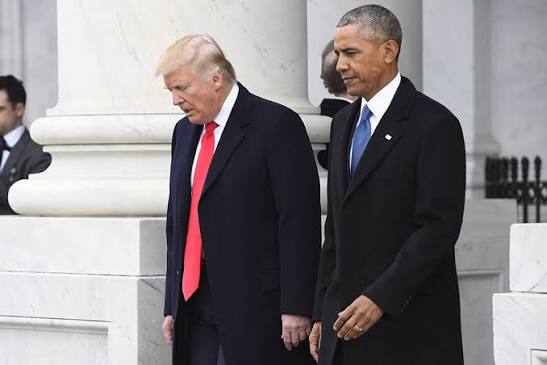
DETROIT — Former President Barack Obama sharply criticized President Donald Trump’s policies during a Democratic rally in Detroit on October 24, taking aim at the administration’s approach to Iran, trade and its priorities at home.
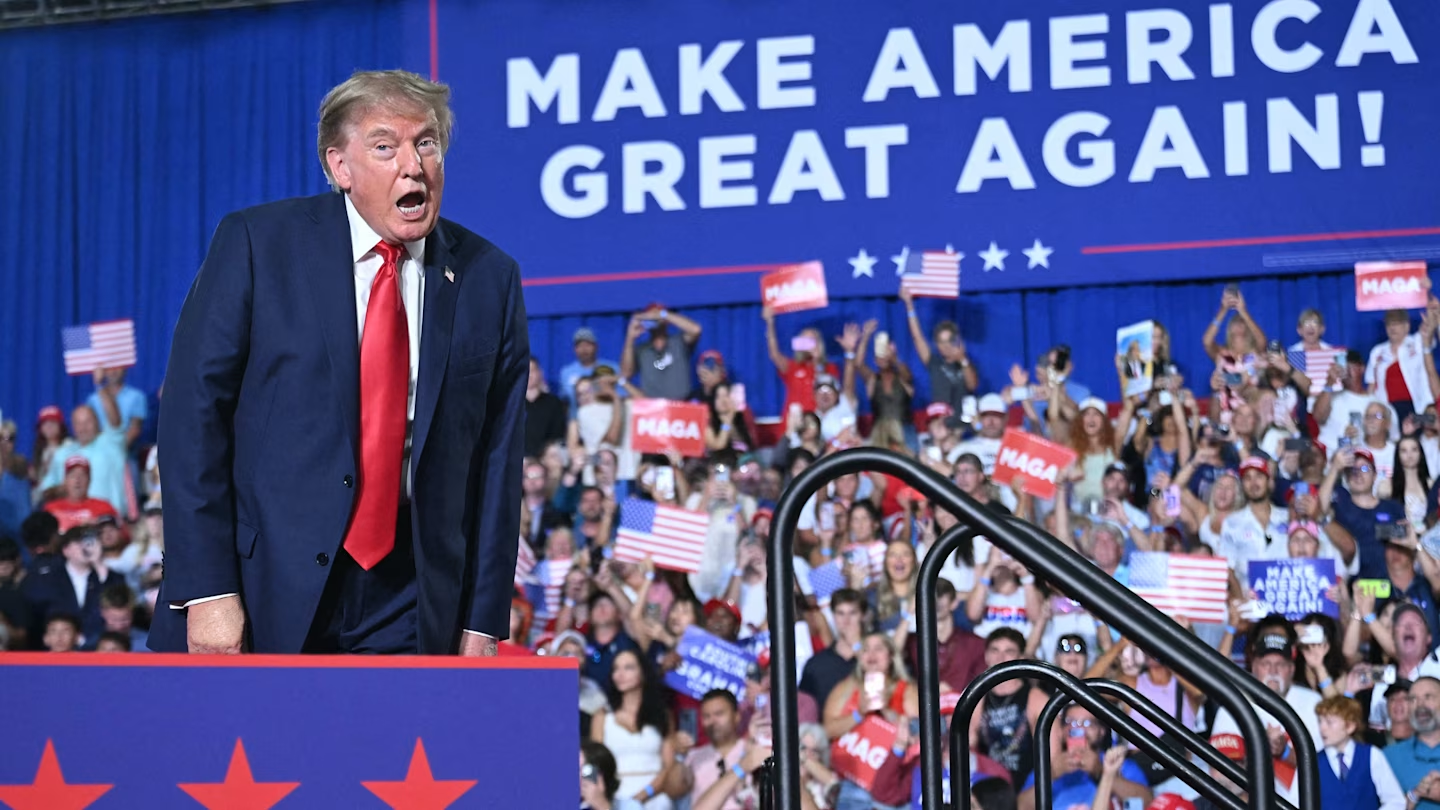
Trump was due to campaign in eastern Michigan on October 25, highlighting the state’s importance in the final stretch before the November 3 midterm elections.
The back-to-back appearances brought competing political messages into focus in a state where the automotive industry, cross-border trade and a closely contested Senate race have national significance.
Obama criticizes the administration’s priorities
At the Detroit event, Obama argued that the administration was focusing on the wrong issues and questioned its handling of the conflict involving Iran. He also criticized Trump’s approach to tariffs and White House renovations.
Trump has defended his administration’s policies and has criticized Obama’s record, including the 2015 nuclear agreement with Iran, from which the United States withdrew during Trump’s first term.
The two former and current presidents represent opposing views on foreign policy and the role of government. Their arguments are part of a wider political debate, and claims made at campaign events should be assessed against the available evidence and policy records.
Michigan’s trade debate
Trade is particularly important in Michigan, home to major parts of the US automotive industry and closely connected to Canadian supply chains.
Tariffs can affect the cost of imported components and finished goods. Their ultimate effect depends on the products covered, exemptions, company decisions and whether businesses absorb additional costs or pass them on to customers.
Some supporters of tariffs argue that they can encourage domestic production and investment. Critics warn that they can raise costs for manufacturers and consumers or provoke retaliatory measures from trading partners.
The competing effects make trade policy an important issue for Michigan businesses and workers.
A closely watched Senate race
Michigan’s open-seat Senate contest between Republican Mike Rogers and Democrat Abdul El-Sayed is among the races that could influence control of the chamber.
Reuters reported that Trump has repeatedly attacked El-Sayed, while Rogers has alleged links between the Democratic candidate and the Muslim Brotherhood. Reuters noted that the allegation was made without evidence in the cited report. El-Sayed has denied affiliation and criticized questions about his loyalty to the United States.
These allegations remain disputed and should not be presented as established facts.
Control of Congress matters because it affects the administration’s ability to pass legislation, approve spending and exercise oversight. The election will therefore influence not only political messaging but also the prospects for future policy decisions.
Why the showdown matters
The events in Michigan illustrate how several issues — foreign policy, tariffs, economic pressure and political representation — are intersecting in the midterm campaign.
For voters, the practical questions include whether policies improve household finances, how trade affects local jobs and what approach the United States should take toward international conflicts.
The candidates and parties offer competing answers. The result of the November 3 elections will determine the balance of power in Congress, but the consequences for individual policies will depend on subsequent legislative decisions.
Source: Reuters, October 25, 2026, “Trump campaigns in Michigan a day after Obama rallies Democrats.”
Editorial note: This article attributes contested political allegations to the people making them and distinguishes campaign arguments from independently established facts.


Leave a Reply