

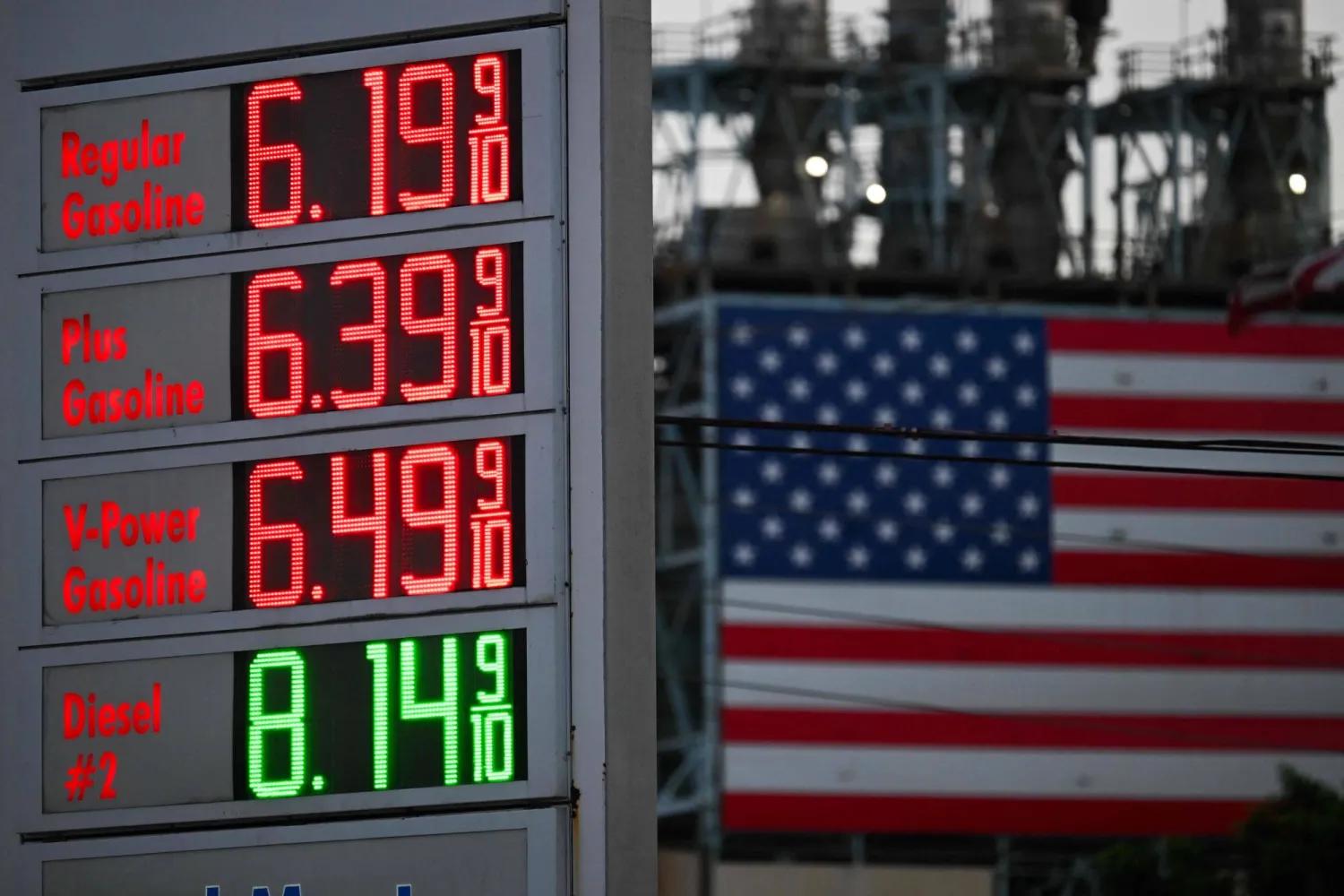
Subtitle: Higher gasoline prices and persistent inflation are pushing affordability back to the center of the national debate as Americans prepare to vote on November 3.
Rising fuel costs are adding to the financial pressure facing American households, putting the cost of everyday life at the center of the political debate ahead of the November 3 midterm elections.
Reuters reported on October 24 that higher energy costs and tariffs are increasingly affecting how Americans view the economy and the administration’s policies. Its October 20 election analysis put the national average gasoline price at approximately $4.28 per gallon, about $1.20 above the level recorded a year earlier.
For drivers who rely on their vehicles for work, school, shopping and family responsibilities, higher prices at the pump can leave less money available for other expenses.
Why fuel prices affect more than drivers
The impact of rising energy costs can extend beyond gasoline. Businesses depend on fuel to transport products, operate equipment and deliver goods. When transportation becomes more expensive, companies can face pressure to increase prices or absorb higher operating costs.
Households also face different energy challenges depending on where they live. In parts of the northeastern United States, some homes rely on heating oil during the winter. Reuters reported on October 24 that the national price of heating oil had risen above $6 per gallon, compared with approximately $3.50 a year earlier.
That figure applies to heating oil, not gasoline, and costs vary by region and supplier.
Inflation remains a concern
Higher fuel costs come as Americans continue to deal with the price of groceries, housing, healthcare and other essential services. The Associated Press reported on October 23 that persistent inflation and weaker consumer confidence were weighing on the economic outlook.
The relationship between energy prices and overall inflation is important, but fuel is not the only factor affecting household budgets. Housing expenses, wages, interest rates, supply chains and business pricing decisions also influence how much families can afford.
An economic issue ahead of November 3
The cost of living has become a major issue in the 2026 midterm election campaign. Reuters reported that voters are increasingly connecting household expenses with decisions on energy, trade and foreign policy.
The election will determine the balance of power in Congress, with consequences for the administration’s ability to advance its legislative agenda. Candidates from both parties are facing pressure to explain how their policies would address the financial concerns of households.
For voters, however, the immediate question is often practical: whether their income can keep pace with the cost of everyday necessities.
Fuel prices can fluctuate with global oil supplies, refinery operations, seasonal demand and geopolitical developments. It remains uncertain how quickly American households will see meaningful relief.
Sources: Reuters, October 20 and October 24, 2026; Associated Press, October 23, 2026.



Leave a Reply