

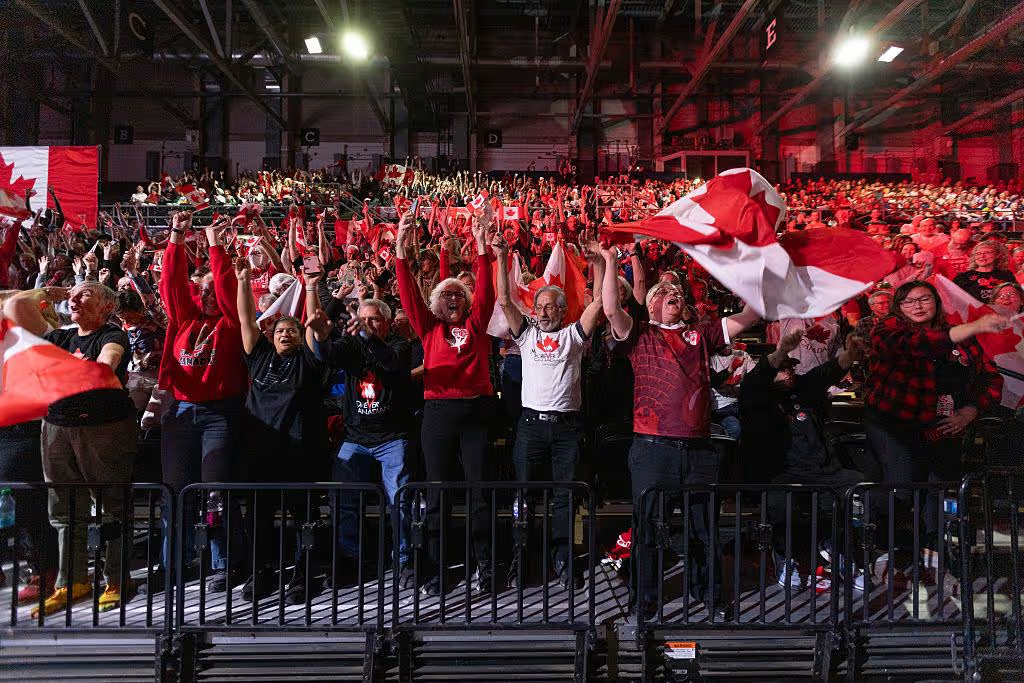
EDMONTON, Canada — October 20, 2026 — Voters in Alberta have rejected a proposal to begin the legal process toward a future referendum on separation from Canada, delivering a significant victory for Prime Minister Mark Carney and supporters of national unity.
Preliminary results reported Tuesday showed approximately 75% to 76% of voters supported keeping Alberta within Canada, while roughly 24% to 25% backed beginning the process that could eventually lead to a vote on separation. The totals were still preliminary in reports published on October 20.
The result provides a clear political setback for Alberta’s separatist movement. However, it does not necessarily end the debate over the province’s relationship with the federal government.
A vote about a possible future referendum
One of the most important details is that Albertans were not voting directly on whether to become an independent country.
Instead, the ballot asked whether Alberta should remain a Canadian province or whether the provincial government should commence the legal process required to hold a future binding referendum on separation.
A vote in favor of beginning that process would not, by itself, have made Alberta independent. Separation would raise major constitutional and legal questions, including negotiations with the federal government, the rights of Indigenous peoples and the terms of any potential departure from Canada.
By rejecting the proposal, voters chose to keep Alberta within the Canadian federation rather than initiate that process.
The distinction is important because some voters who supported another referendum said they wanted to send a message to Ottawa about their dissatisfaction, rather than necessarily leave Canada.
Carney welcomes the result
Prime Minister Mark Carney welcomed the outcome as a victory for Canadian unity.
Carney, who grew up in Alberta, has argued that the province’s future is best served within Canada. His government has sought to strengthen relationships with provincial leaders while addressing concerns about economic growth, energy development and national infrastructure.
The referendum took place against a tense backdrop in North America, including U.S. President Donald Trump’s trade policies and previous threats concerning Canada’s place in the United States. Those tensions have helped make national unity a more prominent issue in Canadian politics.
For Carney, the result offers political support for his argument that Alberta can pursue its economic interests without leaving the country.
However, the vote does not automatically resolve the disagreements between Alberta and Ottawa that helped fuel the separatist campaign.
Why some Albertans want more independence
Alberta is one of Canada’s most important energy-producing provinces and holds substantial oil reserves. Its economy and political culture differ in important ways from those of some other Canadian regions.
Supporters of separation have argued that federal policies restrict the province’s economic potential, particularly in the oil and gas sector. They have also complained that Alberta contributes significant economic wealth while having limited influence over some national decisions.
Disputes over environmental rules, energy infrastructure, federal authority and the distribution of resources have contributed to longstanding resentment toward Ottawa.
The separatist movement has also drawn support from people who believe Alberta should exercise greater control over its own affairs, even if they have not decided whether they ultimately want independence.
Premier Danielle Smith, who called the referendum amid pressure from separatists within her political camp, has opposed Alberta leaving Canada. The result allows her to point to a clear majority in favor of remaining in the federation, while the sizeable minority supporting the separation process shows that regional discontent remains politically relevant.
A defeat for separatists, but not necessarily the end
The outcome is a major setback for those seeking to move Alberta toward independence. Yet the campaign has brought the issue into the political mainstream and demonstrated that a meaningful share of voters is willing to support a future separation process.
Separatist advocates have indicated that they intend to continue their campaign despite the result.
The next challenge for provincial and federal leaders will be determining whether the vote creates an opportunity to reduce tensions or simply postpones another confrontation.
If Ottawa and Alberta can make progress on energy development, infrastructure and the province’s concerns about federal decision-making, support for separation could lose momentum. If those disputes persist, separatist groups may continue to use them to mobilize voters.
The referendum also raises questions about how Canada balances national unity with the interests of provinces whose economies and political priorities differ substantially.
What happens next?
The immediate result is clear: Alberta has rejected the proposal to begin the process toward a future separation referendum and has chosen to remain part of Canada.
But the vote should not be interpreted as a final resolution of every constitutional or political question surrounding Alberta’s place in the federation.
The preliminary figures reported on October 20 may be updated as counting is completed and official results are confirmed. The broader political consequences will depend on how provincial and federal leaders respond to the grievances that helped drive the campaign.
For Carney, the result strengthens the case for a united Canada. For Alberta’s separatists, it is a defeat — but one they may attempt to turn into a longer-term political campaign.
For now, Alberta has chosen Canada. Whether that choice settles the debate will depend on what happens next.
. Sources
- The Associated Press — Alberta rejects a move toward independence from Canada
- Reuters — What Alberta’s referendum on separation means
- Elections Alberta — Official referendum information
Read more: Canada Faces a Unity Test as Alberta Votes on a Possible Path to Independence



Leave a Reply